O-1 Approval Spotlight: Secure Mobile Identity Architect at Meta

O-1 Approval Spotlight: Secure Mobile Identity Architect at Meta

One of our clients — a Secure Mobile Identity Architect working at Meta — just secured an O-1 visa. Here’s the real reason this case won, and how we built a compact, defensible strategy that translated technical leadership into immigration success.


The Real Reason This Case Was Approved

We didn’t chase every possible O-1 box. We built a focused narrative that linked the beneficiary’s role at Meta, demonstrable technical impact, employer-level recognition, and field influence — then proved each link with high-quality evidence.

This was not about volume.It was about translation, positioning, and compelling documentation.

The 4 O-1 Elements That Carried the Case

1️⃣ Critical / Leading Role at a Distinguished Organization (Meta)

Meta is intrinsically authoritative. We framed the beneficiary as a primary architect for passwordless and mobile identity systems within Meta’s authentication or platform team, showing:

  • Ownership of design & rollout decisions for passkey and multi-factor flows.
  • Evidence the work was mission-critical to product integrity and user safety.
  • Senior engineering/security letters describing strategic dependence on the beneficiary’s expertise and the difficulty of replacement.

Key idea: it’s not the employer name alone — it’s the decision-making authority and organizational dependency that matters.

2️⃣ Original Contributions with Measurable Impact

We tied the beneficiary’s technical innovations directly to platform outcomes and risk reduction:

  • Passkey-first rollouts and hybrid fallback flows that materially reduced account compromise and reliance on SMS OTP.
  • Performance/UX gains and improved security posture documented in internal dashboards and post-rollout metrics.
  • Scalable solutions used across products at Meta, showing adoption beyond a single project.

USCIS-equivalent framing: original contributions that drove measurable, organization-level change.

3️⃣ Employer Support & Industry Recognition

Because the beneficiary worked at Meta, we leveraged employer-side credibility strategically:

  • Detailed, technical support letters from senior engineering and security leaders explaining the beneficiary’s role and irreplaceability.
  • Company engineering blog posts, product announcements, or public write-ups referencing the platform changes (linked back to the work).
  • Evidence that major tech employers (Meta, Google, Amazon) recognize O-1 as an appropriate pathway for top talent — strengthening the “extraordinary ability” context.

Why this matters: independent employer-level validation reduces the need for external prestige trophies.

4️⃣ Authorship, Speaking & Field Influence (Trade/Technical Channels)

We framed internal white papers, engineering docs, trade posts, and speaking engagements as professional scholarship and peer influence:

  • Internal architecture docs and playbooks adopted across teams (evidence: wiki circulation, internal review minutes).
  • Trade articles or engineering blog posts on passkey migrations or mobile anti-fraud practices.
  • Speaking slots or internal training sessions where other teams sought the beneficiary’s guidance.

Point: influence among peers and practitioners is treated as evidence of extraordinary ability.

Strategic Reinforcements (How the Pieces Fit)

  • Numbers-first narrative: We converted technical outcomes into quantifiable wins (fraud reduction, latency down, reduction in support costs, etc.) so impact read like business outcomes.
  • Employer letters did the heavy lifting: Senior signatories explained technical uniqueness, replaceability, and strategic significance.
  • Niche scarcity: We positioned the skillset (FIDO2/passkeys + large-scale mobile auth + anti-fraud at Big-Tech scale) as rare and mission-critical.
  • Public & internal footprint: Where external media was light, internal engineering blogs and cross-team adoption demonstrated field influence.

Bonus (Supportive, Not Foundational)

To round out the petition we included:

  • Internal awards, team recognitions, or engineering excellence mentions.
  • Patent filings, or patent-pending architectures (if present) as supportive proof.
  • FIDO Alliance training/certifications and contributions to standards or best-practice guides.
  • Conference talks or invited sessions used as supplemental proof of peer reliance.

What This Case Proves About the O-1 Pathway

  • O-1 is a high-leverage pathway for top technical talent — especially those at major tech platforms.
  • You don’t need a stack of prizes or academic papers if you can show decision authority, measurable impact, and peer/employer recognition.
  • Employer backing from places like Meta dramatically strengthens the narrative when paired with deep technical metrics and expert letters.

(Also: O-1 is often a faster, lottery-free alternative to H-1B — which is why more top employers are comfortable supporting it.)

Who This Case Is For

  • Engineers and architects working on authentication, identity, fraud prevention, or platform security at scale.
  • Technical leaders at major consumer platforms, fintechs, or national-ID projects who can show measurable impact.
  • Candidates with employer willingness to provide detailed, technical support letters.

If you ship measurable authentication/fraud-reduction work at scale, you may already have the raw material for an O-1 case — even without patents or academic publications.

Outcome & Next Steps

Outcome: O-1 petition approved.

If you want to map this strategy to your profile, we can:

  • Run a free eligibility review, or
  • Walk you through the evidence map used in this Meta petition.

👉 Book a free strategy session.📥 Email: support@jineegreencard.com — or reply with your resume.

P.S. Our community members will hear directly from approved clients in next week’s live session. Join us Friday to learn from their journeys.

— Team Jinee

Extraordinary Ability. Executed Strategically.

EB-1A Approval Spotlight: Senior Insurance-Tech Consultant — Extraordinary Ability in Core Platforms, Digital Transformation & AI Automation

EB-1A Approval Spotlight: Senior Insurance-Tech Consultant — Extraordinary Ability in Core Platforms, Digital Transformation & AI Automation

One of our clients  a senior insurance-technology consultant at a Big-4 (EY) who architects Duck Creek / Guidewire / EIS implementations and AI-driven underwriting automation  just secured an EB-1A approval.

Here’s the real reason this case won.

The Real Reason This Case Was Approved

We didn’t pile on every criterion. We rebuilt a coherent excellence story from enterprise, team-based work that was powerful in substance but weak in immigration framing.

This was not about volume. It was about translation, positioning, and high-quality evidence that linked the beneficiary’s decision authority to measurable business impact and field adoption.

The 4–5 EB-1A Criteria That Carried the Case

1️⃣ Critical / Leading Role for Distinguished Organizations

We reframed the client from “senior consultant” to lead architect & implementation driver across 14 major insurance product launches (Donegal Mutual; American Family Mutual; AIG; UTICA; Penn National; Tokyo Marine; Tennessee Farmers Mutual; British Caribbean Insurance, and more).

Evidence used:

  • Senior partner & client letters describing strategic dependence.
  • Project maps showing decision authority over policy modeling, underwriting automation, regulatory compliance across 70+ countries.
  • Documentation of ownership for core platform components (policy, billing, claims integrations).

USCIS focus: Was the role essential to operations and hard to replace? We proved it was.

2️⃣ Original Contributions of Major Significance

This is where the case flipped from “good consultant” to field-level influencer.

What we proved:

  • Platform designs and architecture patterns were adopted and reused by leading US/UK insurers across multiple engagements.
  • Adoption letters and deployment maps showing reuse beyond a single client.
  • IP protections filed to prevent unauthorized reuse  demonstrating the work’s commercial and technical value.

Key point: his designs weren’t shelf patents  they were live, reused, and shaping insurer behavior.

3️⃣ High Remuneration (Elite Market Positioning)

We didn’t just submit salary slips.

What we did:

  • Role-specific remuneration benchmarking against niche insurance-core experts (Duck Creek, Guidewire, EIS).
  • Peer comparisons adjusted for consulting mobility and platform specialization.
  • Analysis showing compensation reflected scarcity and mission-critical responsibility.

USCIS asks if pay demonstrates rarity; we showed it did.

4️⃣ Judging / Evaluator Roles & Professional Recognition

We positioned the client as a trusted evaluator of architecture and implementation quality:

  • Letters and listings showing he evaluated designs, reviewed vendor outputs, and led architecture audits.
  • Invitations to judge proof-of-concepts, mentor incubator teams, and co-review research with a university professor.

Result: professional judgment  not ceremonial reviewing  evidencing peer reliance.

5️⃣ Authorship & Targeted Thought Leadership (Supporting but Tight)

Rather than mass publications, we built high-value authorship and visibility:

  • Trade articles and high-quality review papers co-authored with an academic partner.
  • Niche commentary on insurance digital transformation picked up by industry audiences.
  • Conference talks and podcast appearances with real viewership used to reinforce peer recognition.

Quality over quantity writings and talks were selected to show influence among practitioners.

Strategic Reinforcements (How the pieces connected)

  • Reconstruction of enterprise work: mapped engagements to business risk, financial impact, operational scale, and dependence on his judgment.
  • Adoption evidence: adoption letters and reuse maps showed contributions spread beyond single projects.
  • Economic translation: tied work to reduced implementation risk, improved underwriting automation, lower ops costs, and faster time-to-market.
  • Selective public footprint: trade pieces + speaking + mentoring demonstrated field influence without overreaching.

Outcome & Timeline

  • Result: EB-1A petition approved.
  • Timeline: ~11 months from strategy to filing to approval.
  • Scope: 5 EB-1A criteria met deep, defensible, and not exaggerated.

Why This Case Matters

This client proves a key EB-1A insight:

You don’t need fame. You need to be indispensable in a narrowly defined, high-impact niche.

Insurance core platforms + AI underwriting + digital transformation influence:

  • Financial stability and risk management for carriers
  • National/regional insurance infrastructure
  • How insurers automate and scale underwriting and compliance

This wasn’t a checkbox petition  it was a field-level influence case executed with surgical precision.

Who This Case Is For

  • Senior engineers, architects, or consultants working on Duck Creek, Guidewire, EIS, Insurity or comparable platforms.
  • Leaders who can tie technical design to measurable insurer behavior, cost savings, or regulatory readiness.
  • Candidates with enterprise-scale adoption (reuse across carriers) or the ability to document decision authority.

Key Takeaways (Actionable Playbook)

  • Define a tight niche don’t be “generic.”
  • Quantify everything: deployments, reuse, financial/operational impact.
  • Reframe enterprise work into decision-making narratives (who depended on you and why).
  • Build deep evidence on 3–5 criteria rather than padding with weak items.
  • Translate technical outcomes into economic and policy relevance.

If you want this strategy applied to your profile, we can run a focused EB-1A eligibility review and map your evidence the same way.

📩 Email: support@jineegreencard.com  Team Jinee Extraordinary Ability. Executed Strategically.

Three EB-1A Approvals in a Single Day: What This Really Says About Today’s EB-1A Standard

Three EB-1A Approvals in a Single Day: What This Really Says About Today’s EB-1A Standard

Getting one EB-1A approval is a milestone. Getting three EB-1A approvals in a single day, across three different industries, is a strong signal of how the EB-1A landscape is evolving—and how extraordinary ability is being evaluated today.

At Jinee Green Card, yesterday marked exactly that moment.

In this blog, we’ll break down:

  • The approved EB-1A profiles
  • What these approvals actually prove about EB-1A eligibility
  • Why builders, engineers, and leaders are increasingly qualifying
  • How Jinee positions real-world impact for USCIS success

No hype—just real approvals, real profiles, and real insight.

Three EB-1A Approvals Within 24 Hours

(Across Three High-Impact Industries)

🧠 AI & Enterprise Leadership

Industry: Artificial Intelligence | Enterprise Transformation

A senior product leader driving Generative AI innovation and global workforce transformation at the world’s largest retailer.

Core EB-1A Strengths Positioned:

  • Original contributions with enterprise-scale impact
  • Leadership in AI-driven systems adopted across global operations
  • Influence on how large organizations deploy AI responsibly at scale

This approval reinforces that strategic product leadership in AI—when properly documented—meets EB-1A’s extraordinary ability threshold.

💳 FinTech Engineering — Discover Financial Services

Industry: FinTech | Cloud & AI Systems

A software engineer building AI-powered, cloud-native microservices and secure financial platforms used by millions of users.

Core EB-1A Strengths Positioned:

  • Critical role in large-scale financial infrastructure
  • High-impact, original technical contributions
  • Evidence of national importance through secure, scalable systems

This case demonstrates that engineers solving complex, real-world problems at scale are strong EB-1A candidates—when their work is positioned correctly.

🎮 Cybersecurity in Gaming — EA Sports

Industry: Cybersecurity | Global Gaming Infrastructure

A cybersecurity engineer developing advanced threat detection systems and DNS vulnerability tools to protect global gaming ecosystems.

Core EB-1A Strengths Positioned:

  • Specialized expertise in security architecture
  • Contributions safeguarding massive user platforms
  • Demonstrated impact beyond a single employer

This approval highlights that cybersecurity specialists protecting global digital infrastructure clearly qualify under EB-1A when their contributions are framed through impact and influence.

What These EB-1A Approvals Prove

Extraordinary Ability Is No Longer Limited to Founders or Researchers

A common EB-1A myth:

“Only startup founders, professors, or PhDs qualify.”

These approvals prove otherwise.

Today’s EB-1A approvals increasingly recognize:

  • Senior engineers
  • Product leaders
  • AI architects
  • Security specialists
  • Builders working inside top organizations

What matters is impact, not job title.

USCIS is approving candidates who:

  • Drive innovation at scale
  • Make original contributions
  • Influence how industries operate
  • Solve nationally and globally relevant problems

How Jinee Green Card Helps EB-1A Candidates Win

EB-1A success is not about dumping documents—it’s about strategic positioning.

At Jinee Green Card, our EB-1A process focuses on:

✔ Evidence Strategy Across All 10 USCIS Criteria

We identify which criteria actually strengthen your case—and which ones dilute it.

✔ Impact-Driven Storytelling

We translate complex technical work into USCIS-friendly narratives that clearly show:

  • Originality
  • Significance
  • Influence

✔ Expert Letters, Media & Technical Positioning

From independent expert letters to technical contribution framing, every element is built to withstand officer scrutiny.

✔ Legal Filing with Top-Tier Attorneys

We collaborate with experienced EB-1A attorneys and maintain performance-driven quality standards throughout filing.

Wondering If You Qualify for EB-1A?

Many professionals already meet EB-1A standards—but don’t realize it because their work hasn’t been positioned correctly.

If you:

  • Work in AI, FinTech, Cybersecurity, Product, or Engineering
  • Build systems used at scale
  • Lead high-impact initiatives
  • Solve problems others in your field cannot

👉 Your profile may already be EB-1A-ready.

📥 Reach out to us at:support@jineegreencard.com

How to Prepare For an EB1A Green Card Interview? The Reality of What You’ll Be Facing

How to Prepare For an EB1A Green Card Interview? The Reality of What You’ll Be Facing

Congratulations, you’ve finally reached the EB1A green card interview stage. You’re halfway to living your US immigration dream. But here’s the headlock – this EB1A interview is the reality check of your claimed extraordinary abilities. It’s your chance to convince the USCIS that your work is genuine and of national interest. If you fail here, you’ll have to let go of your dream. But with Jinee Green Card, you don’t have worry.

In this guide, we’ll break down the entire process for you. No complex jargon, no legal fuss, just real interview talk. From most commonly asked questions to preparation strategies, we’ve covered everything in this guide. So, let’s begin.

What’s the EB1A interview process all about?

The EB1A interview is your final test, where you’ll have to prove your extraordinary ability, evidenced by a mountain of documents and awards. It is basically done to verify the information you’ve provided as part of consular processing.

What happens during the EB1A interview?

So, you’ll be meeting the USCIS officers who’ll review your application and assess your qualifications and eligibility. They’ll check whether you’re the real person behind the projected achievements, and there are no inconsistencies in your work. They’ll ask you about your employment plans in the US. And also how your work’s gonna impact the US-wide economy.

What questions will you be asked in the interview?

They won’t ask you any rocket science questions. Questions are based on the five major aspects:

1.      Basic Stuff – Your background and motivation

Starting with formal introductory questions like:

  • What was your motivation behind applying for the EB1A visa?
  • What’s your current project, and how long have you been working?

2.      Recognition – Your qualifications and achievements

Moving on to assessing whether you’re bragging or you’re really a person with exceptional capabilities.

  • What’s one achievement or award you’re most proud of?
  • How has your work impacted your field?

3.      Proofs – Your submitted evidence

It’s time for some real inspection. You should carefully present your arguments proving that your submitted evidence is genuine proof of your exceptional work.

  • Can you provide details on your presented research projects? How did the innovation or discovery happen, and what was your role in the project?
  • Can you explain the publications you’ve made in your field?

4.     Plans – Your future plans in the US

Now, you’ll be asked questions regarding what you’ll be up to after getting the green card.

  • What particular projects or initiatives are you planning down on?
  • Do you have any collaboration offers from any of the US institutions, organisations, or individuals?
  • How will you keep up with your international acclaim after you relocate?

5.     Formalities – Your basic details verification

Some housekeeping verification questions, like:

  • Will your family members also accompany you?
  • Which profession is your spouse engaged in, and what will their future plans be?

Now that you know the questionnaire, let’s talk about how you should actually prepare for your interview.

How to prepare for the EB1A Green Card Interview?

EB1A interview preparation starts with being confident, transparent, and authentic about your own story, which you presented in your I-140 application.

Pre-Interview Strategy

  1. Know Your Case

Review your application thoroughly again. Remember your achievements, evidence, recommendation letters, and awards you’ve mentioned. You should be clear about your ‘why’ behind attaching every document.

2. Practice and Sound Natural

Rehearse your answers, but don’t mug up scripts. You should sound natural and confident about your work.

3. Stay Organised with Updated Achievements

The USCIS will be impressed if you present any latest supplementary recognition since filing your I-140 application. Keep everything organized and neatly labeled.

4. Attempt a Mock Interview

Mock EB1A green card interview always helps to boost confidence. Jinee Green Card guides you with the interview process. So, you can practice common questions with your friend.

Interview Day Strategy

1. Be Advance in Time

Reach at least 30-40 minutes early because you’ll really need to settle your nerves to avoid that last-minute chaos.

2. Go Formal

Formals don’t always mean that three-piece suit. Just wear a smart, professional, and most importantly, comfortable outfit.

3. Stay Calm and Listen Patiently

Stay confident and composed. Don’t rush into answers, first listen patiently and then respond in a polite tone. And if you require a glimpse of your petition once more, communicate. Honesty is better than guesswork.

Final Thoughts

Overall, the EB1A interview is all about showcasing your exceptional achievements. The questions will span your major professional aspects – past, present, and future. Nothing scary, nothing unpredictable. You just need to confidently give your answers and convince the USCIS officers of your extraordinary abilities.

Jinee Green Card is your guiding hand. From EB1A profile building to interview strategies, Jinee has got your back. Go check out the ‘Jinee Green Card Reviews’ to see what our clients feel about us.

If you need any assistance with your green card journey, contact us today at support@jineegreencard.com.

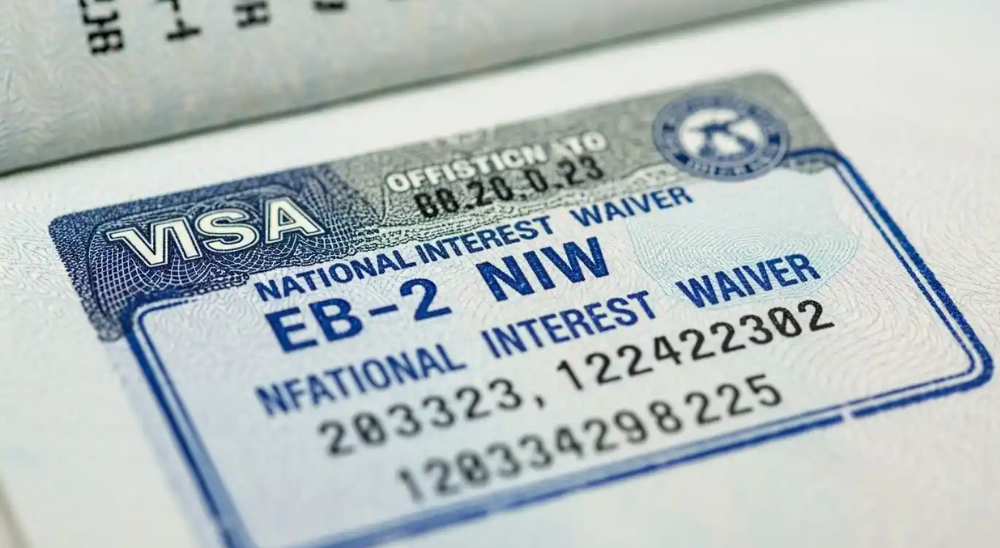
How to Build a Strong Profile for EB-2 NIW Visa – A Self-Petition green card for exceptionally talented individuals?

How to Build a Strong Profile for EB-2 NIW Visa – A Self-Petition green card for exceptionally talented individuals?

Are you aspiring for a US green card? Already feeling a headache from that over-complicated profile-building process involving documentation collection and petition drafting? Here we are, your guiding light who’ll help you out with the EB-2 NIW visa profile building mess.

Now, before you jump straight into profile building and start collecting documents, you must ensure that you fulfill the USCIS eligibility criteria for the EB-2NIW visa. Only then, take the next step of building a profile.

What Is An EB-2 NIW Visa? Are You Eligible For It?


The EB-2 National Interest Waiver (NIW) visa is your US permanent residency ticket. And it doesn’t require any labor certification. This means you can self-petition it. Just fill out the Form I-140, Immigrant Petition for Alien Worker.

But here’s a twist! This visa petitioning is not everyone’s game.

The EB-2 NIW is only for those who meet its stringent eligibility criteria set by the USCIS (United States Citizenship and Immigration Services). If you want to apply for an EB-2 NIW visa, then you must demonstrate extraordinary ability in the STEM field, business, or arts, or possess an advanced professional degree. Additionally, you need to prove your endeavor has substantial merit and national importance to the US.

Thus, if you can prove that your qualifications and abilities are worthy of waiving the traditional job offer and sponsorship requirements, this EB-2 NIW visa is for you.


What steps do you need to follow to file the application?


If you meet the eligibility criteria, you should start the application process by preparing your petition file.


Collect Evidences


Make an organized portfolio including degrees, professional licenses, resume detailing accomplishments, patents, publications, awards, certifications, press coverage, a recommendation letter, and other documents proving your eligibility.

You should add peer-reviewed publications, citation counts, your designed technologies adopted by industries, keynote speeches, international or national recognition, and peer endorsements to strengthen your application.


Draft Petition Letter


Draft a convincing petition letter or personal statement that explains how your proposed endeavor is of substantial merit and national importance to the US. Describe in a professional tone how your abilities make you special and of national significance. Include recommendation letters (at least 2-3 from experts) or NIW reference letters to add credibility.

Complete Application Form


Fill the I-140 form, attach your documents, and petition letter with proper labeling. Reconfirm your details once and pay the required fees.

Now all you need to do is wait for the USCIS to review your application and send a receipt. You can receive it 2-3 weeks post-application fill-up.

Congratulations, you’ve almost completed your green card securing journey. If your I-140 application is approved, you’ll have to move on to filing the I-485 form to adjust your status.


What are the common mistakes you need to avoid while building an EB-2 NIW profile?


The Q1 FY 2025 data reveal that about 37.2% of EB-2 NIW petitions were denied despite the extraordinary abilities demonstrated by the professionals.

So beware of what can go wrong. Most professionals make minor mistakes that cost them their dream and hit them hard in the pocket. Some of the common mistakes include adding inadequate evidence, generic recommendation letters, and the biggest of all mistakes – failing to account for how their work can benefit the US-wide economy. If you want to build a profile that stands out, you must be careful not to repeat these mistakes.

How Can Jinee Green Card Help You With The Visa Application?


Applying for an EB-2 NIW visa can be overwhelming. Those stringent legal standards to comply with and the complex paperwork to be completed are such a mental marathon. Above all, sorting these piles of documents in the right manner is a real challenge. But here’s good news for you. Jinee green card is your co-pilot on this US immigration journey. We simplify the process for you. We identify the loopholes in your profile and help you fix them. We become your personalized manager, providing an appropriate document checklist, helping you find the right recommenders, and polishing your petition letter to align with the USCIS criteria.

Overall, we’ll be at your side until you achieve your dream of securing a US green card. The ‘Jinee Green Card Reviews’ describing our clients’ real stories are proof of our significant contribution to their green card journey.